
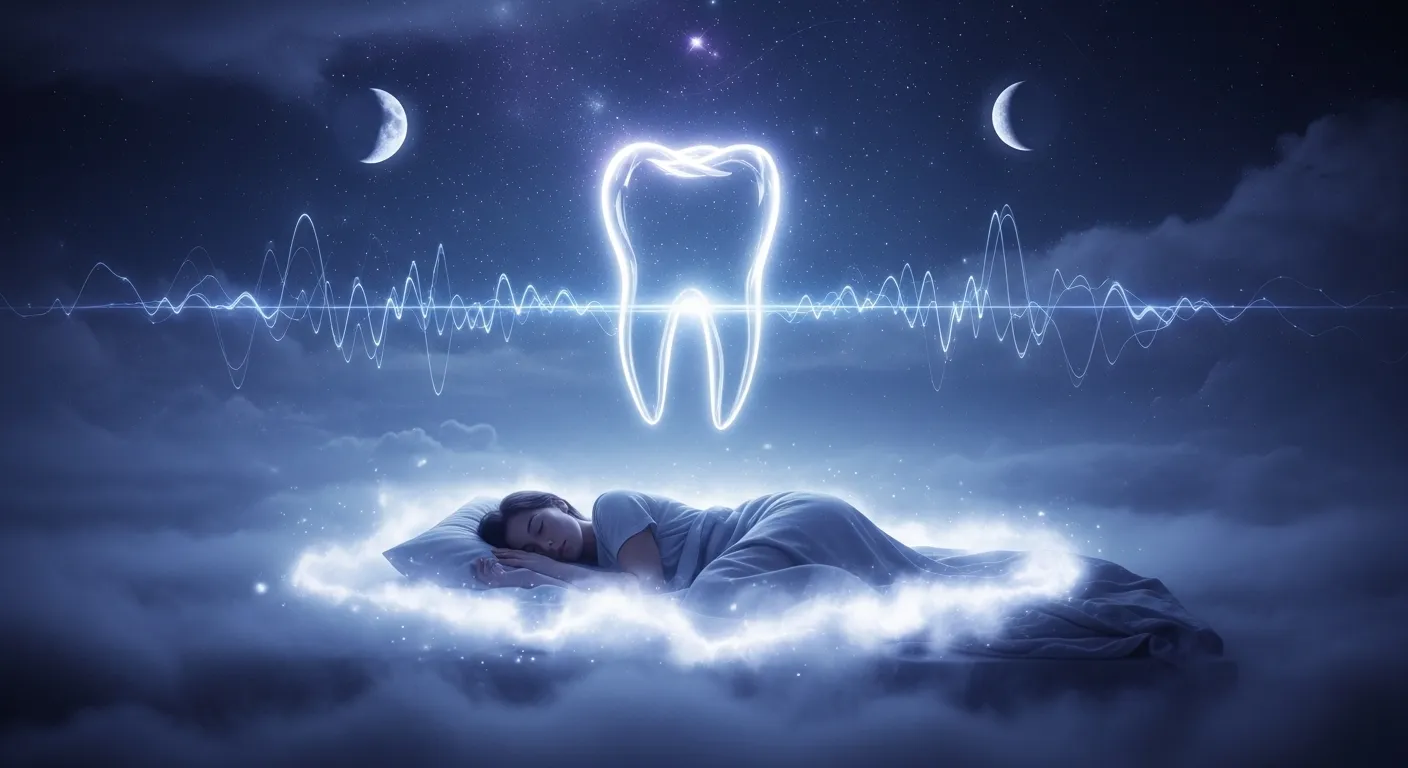
Have you ever woken up in a cold sweat, your heart racing, after dreaming your teeth were falling out? That unsettling feeling lingers long after the dream fades, leaving you wondering: What does it mean?
Teeth are not just tools for eating—they symbolize power, confidence, and our ability to express ourselves. When they appear in dreams, they often reflect our deepest fears, anxieties, and emotional struggles.
Understanding teeth dream meaning can reveal hidden stressors in your life, emotional vulnerabilities, or even unspoken desires. Our subconscious uses this vivid imagery to communicate, often in ways we don’t consciously notice during the day.
Why Teeth Appear in Dreams
Teeth are one of the most common symbols in dreams because they are closely tied to personal identity and self-esteem. Losing teeth in a dream can represent a fear of aging, loss of control, or anxiety about how others perceive us.
Dreams about teeth matter because they act as mirrors to our inner emotional state. They provide insight into conflicts, insecurities, and transitions. Recognizing this symbol allows you to confront feelings that might otherwise stay buried.
7 Key Meanings of Teeth Dreams
1. Fear of Losing Control
Dreaming of your teeth falling out often signals feelings of powerlessness. Psychologically, this may reflect a situation where you feel helpless—at work, in relationships, or within yourself. Emotionally, the dream captures anxiety about your ability to maintain control or authority. Your subconscious is urging you to examine where you might be letting fear dictate decisions, and to consider how much influence you truly have over your life circumstances.
2. Anxiety About Appearance
Teeth in dreams frequently relate to self-image. If your teeth look decayed or broken, it may reflect insecurities about how others perceive you. These dreams are often rooted in social anxiety, fear of judgment, or concerns about attractiveness. Emotionally, your mind is highlighting the pressure you feel to maintain a certain image, reminding you that self-worth is not purely external but deeply internal.
3. Transition and Growth
Teeth dreams can symbolize personal transformation. Just as children lose baby teeth, adults may dream of losing teeth during times of significant life change. Psychologically, this represents letting go of old habits, relationships, or identities. The dream serves as a reminder that endings, while uncomfortable, often pave the way for growth, resilience, and renewal.
4. Communication Challenges
Teeth are essential for speaking clearly, so dreaming about them may reflect struggles with self-expression. You might feel unheard, misunderstood, or hesitant to share your thoughts. Psychologically, the dream mirrors internal conflicts between your authentic voice and fear of rejection. Emotionally, it invites you to explore how you can communicate more openly and assertively in your waking life.
5. Health and Vitality Concerns
Sometimes, dreams about teeth can be literal reflections of your physical health. Stress, poor nutrition, or oral concerns can manifest in dreams. Psychologically, your mind processes bodily signals during sleep, often translating them into symbolic imagery. Emotionally, these dreams can awaken concern for self-care, reminding you to listen to your body’s needs more attentively.
6. Fear of Aging or Mortality
Teeth decay and fall out naturally with age, so these dreams often tap into deeper existential anxieties. Psychologically, they represent awareness of time passing and the inevitability of change. Emotionally, such dreams highlight vulnerability and the desire to hold onto youth, energy, or a sense of control over life’s impermanence. They prompt reflection on what truly matters in the fleeting moments we have.
7. Hidden Guilt or Regret
Dreams of damaged or missing teeth can signify unresolved guilt, shame, or past mistakes. Psychologically, this imagery emerges when you feel accountable for something you wish could be undone. Emotionally, the dream acts as a gentle nudge to process these feelings, either through self-forgiveness or reconciliation, rather than letting them silently erode your confidence.
Common Dream Scenarios & Their Meaning
- Teeth Falling Out – Often linked to anxiety, loss, or fear of embarrassment.
- Broken Teeth – Symbolizes emotional pain, failed plans, or vulnerability.
- Rotting Teeth – Reflects guilt, shame, or self-neglect.
- Growing New Teeth – Suggests personal growth, renewal, or new opportunities.
Is This Dream a Bad Omen?
Teeth dreams are rarely literal warnings of disaster. Instead, they reflect internal emotional states or life transitions. Interpreting them as purely negative overlooks the opportunity for personal insight and growth.
Why This Dream Feels So Real
During REM sleep, the brain is highly active, processing memories, emotions, and sensory information. This heightened neural activity can create dreams that feel vivid and tactile, even simulating pain or movement. The realism of teeth dreams often amplifies the emotional impact, making the subconscious message hard to ignore.
What To Ask Yourself After This Dream
- Where in my life do I feel powerless or anxious?
- Are there aspects of myself I’m afraid others will judge?
- What changes am I resisting that could benefit me?
- Am I neglecting my health or self-care?
- How can I better express my thoughts and feelings?
When to Pay Attention
Recurring teeth dreams or those that provoke strong emotion may signal unresolved stress or anxiety. Use them as prompts for reflection, journaling, or discussion with a trusted confidant.
Quick Summary
Teeth dreams reveal the intersection of fear, growth, and emotional health. They highlight insecurities, transitions, and the subtle ways your subconscious communicates. While unsettling, these dreams carry opportunities for insight, healing, and self-understanding.
Closing Reflection
Dreams about Teeth remind us of our vulnerability and resilience. They nudge us to confront fears, embrace change, and honor our inner voice.
By listening to these messages, we gain clarity, emotional depth, and a compassionate awareness of ourselves in both sleep and waking life.