
There’s a quiet intensity in your dream when a wolf appears. Its eyes, sharp and knowing, seem to pierce the veil between your conscious and subconscious mind. You wake unsettled, yet strangely connected—as if the wolf carried a message meant just for you.
Dreams of wolves tap into primal instincts, the deep layers of emotion that modern life often keeps buried. They remind us of loyalty, survival, fear, and independence, all intertwined in a single, symbolic figure. The wolf doesn’t just appear for spectacle; it arrives to awaken something within you.
Understanding the wolf in dreams can guide you through personal challenges, relationships, and emotional growth. Its presence is rarely random—it resonates with psychological truths and spiritual insights, waiting to be decoded.
Why Wolves Matter in Dreams
The wolf symbolizes more than danger or aggression. In dreams, it often reflects your instincts, intuition, and the balance between solitude and social connection. Psychologically, wolves mirror traits we may suppress—our courage, our fear of betrayal, and even our need for freedom. Spiritually, they can represent guidance, transformation, or a call to embrace your authentic self.
When a wolf enters your dream, it signals a moment for reflection: Are you listening to your intuition? Are you honoring your boundaries? These creatures often appear at pivotal emotional crossroads, making the dream a subtle nudge from your subconscious.
7 Wolf Dream Meanings
1. Personal Strength and Resilience
Dreaming of a wolf often reflects your inner strength. Wolves survive harsh environments and navigate complex social hierarchies. Psychologically, this can indicate that your mind is recognizing your resilience in real life. Perhaps you are facing challenges that require patience, strategy, or courage. The dream reminds you that, like the wolf, you have the instincts to overcome adversity.
Emotionally, this can feel empowering. You might wake with a sense of determination, understanding that hardships are opportunities to grow stronger rather than reasons to retreat.
2. Feeling Isolated or Independent
A lone wolf in your dream may mirror your emotional state—either a longing for solitude or feelings of isolation. Psychologically, it reflects your balance between independence and social connection. Are you avoiding relationships, or do you need time to recalibrate your own identity?
Spiritually, the lone wolf often calls for self-discovery. It encourages reflection on personal goals and emotional boundaries. While solitude can feel heavy, it also nurtures growth and self-understanding.
3. Warning of Hidden Threats
Wolves in dreams can symbolize hidden dangers or deceit in your waking life. Psychologically, your subconscious may be processing suspicion or caution, alerting you to potential betrayal or conflict. This doesn’t mean immediate danger—it’s more about sharpening your awareness and trusting your instincts.
Emotionally, it might trigger anxiety or tension, but acknowledging these feelings allows you to act thoughtfully rather than react impulsively.
4. Connection to Intuition and Instincts
A wolf is deeply connected to instinct. Dreaming of one may suggest you need to trust your gut feelings. Psychologically, this mirrors the brain’s internal processing of cues you might overlook consciously. Wolves can encourage you to listen to your inner voice, particularly when decisions feel uncertain or complex.
Emotionally, embracing this instinct can bring clarity and calm, reinforcing your ability to navigate life with confidence.
5. Group Dynamics and Loyalty
If you dream of a wolf pack, it often reflects your relationships. Wolves are social animals, emphasizing loyalty, teamwork, and protection. Psychologically, this can reveal how you interact with your own social circles—where trust is strong and where it may be lacking.
Emotionally, such dreams remind you of your need for meaningful connections, collaboration, and community. Observing pack dynamics in a dream can illuminate unspoken tensions or reaffirm bonds you value deeply.
6. Facing Fear or Aggression
A threatening wolf often represents personal fears or suppressed anger. Psychologically, it’s your mind’s way of bringing hidden anxieties into awareness. Perhaps unresolved conflicts, self-doubt, or intense emotions are surfacing.
Emotionally, confronting the wolf allows you to process fear safely in a symbolic space. Recognizing aggression—whether internal or external—can help transform it into constructive action.
7. Transformation and Personal Growth
Wolves can signify major life changes. Dreaming of one may indicate a period of transition, prompting you to shed old habits or embrace new roles. Psychologically, the dream acts as an internal guide, highlighting your readiness for personal evolution.
Emotionally, it’s a call to courage. The wolf encourages embracing uncertainty, trusting your instincts, and stepping into a more authentic version of yourself.
Common Dream Scenarios & Their Meaning
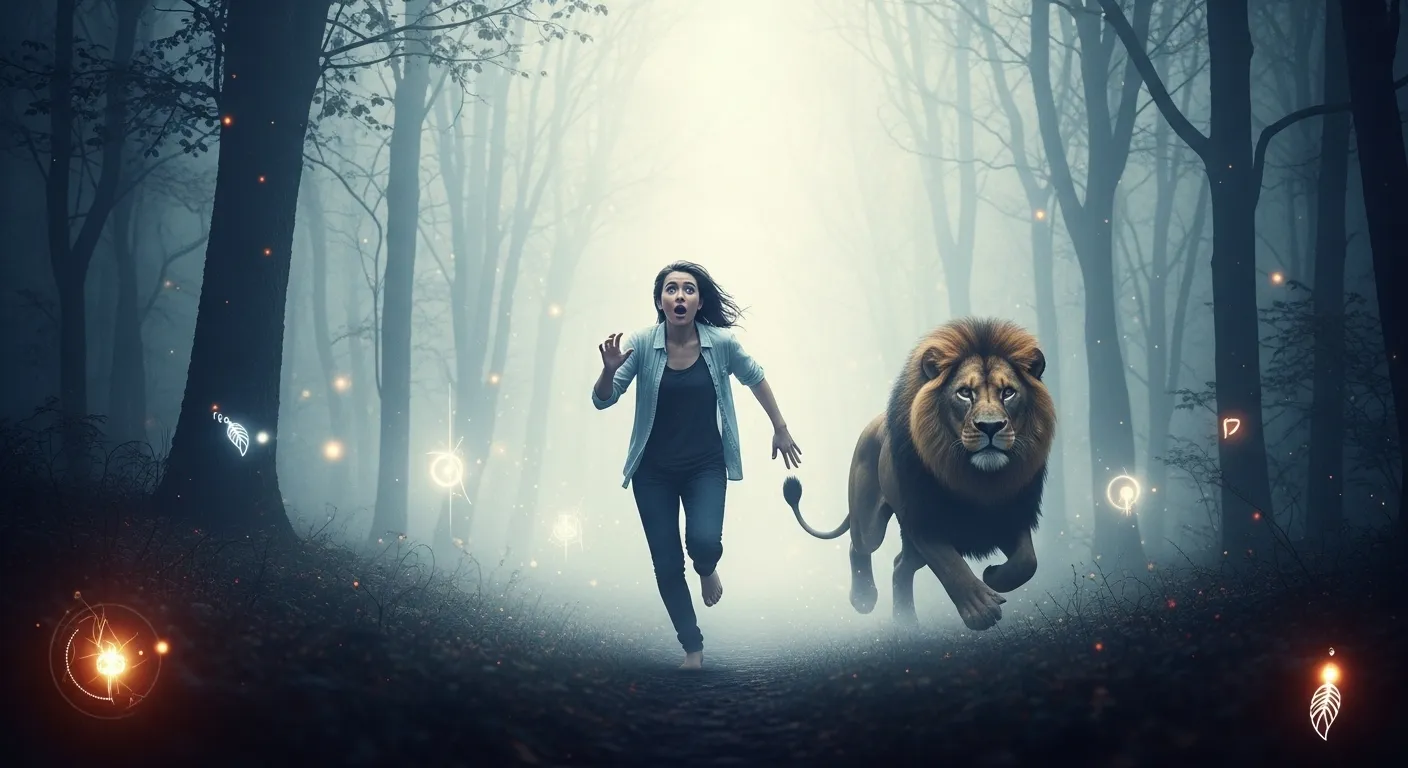
- Being Chased by a Wolf – Represents avoidance of a pressing problem or fear in your life.
- Feeding or Befriending a Wolf – Indicates a reconciliation with instincts or accepting personal power.
- Watching a Wolf Pack Hunt – Reflects awareness of social dynamics and teamwork in your relationships.
- Transforming into a Wolf – Symbolizes empowerment, personal growth, or embracing a hidden aspect of yourself.
Is This Dream a Bad Omen?
A wolf dream is rarely a literal warning. Most often, it reflects psychological states or emotional needs rather than imminent misfortune. The dream may feel intense or frightening, but it usually offers insight rather than prediction.
Why This Dream Feels So Real
Dreams with wolves can feel vivid because of REM sleep, the stage where the brain consolidates emotions and memories. The amygdala—responsible for fear and instinct—activates strongly, making the wolf’s presence emotionally charged and lifelike. This realism helps your subconscious communicate urgent messages effectively.
What To Ask Yourself After This Dream
- Where in my life do I feel threatened or cautious?
- Am I honoring my own instincts and boundaries?
- Which relationships demand loyalty or attention?
- What fears or anxieties am I avoiding?
- How can I embrace personal growth or transformation?
When to Pay Attention
Pay closer attention to these dreams if the wolf recurs, appears in emotionally intense situations, or triggers strong intuitive insights. These signals often indicate areas of life needing conscious reflection or action.
Quick Summary
Wolf dreams carry deep emotional and psychological significance. They reflect strength, intuition, social dynamics, fear, and transformation. By decoding the wolf’s message, you can gain clarity, process emotions, and embrace personal growth.
Closing Reflection
The wolf in your dream is not just a figure of the night—it is a mirror of your inner world. Its presence urges awareness, courage, and emotional honesty.
Listen carefully, reflect deeply, and let the wisdom of this powerful symbol guide you toward a more authentic, resilient self.