
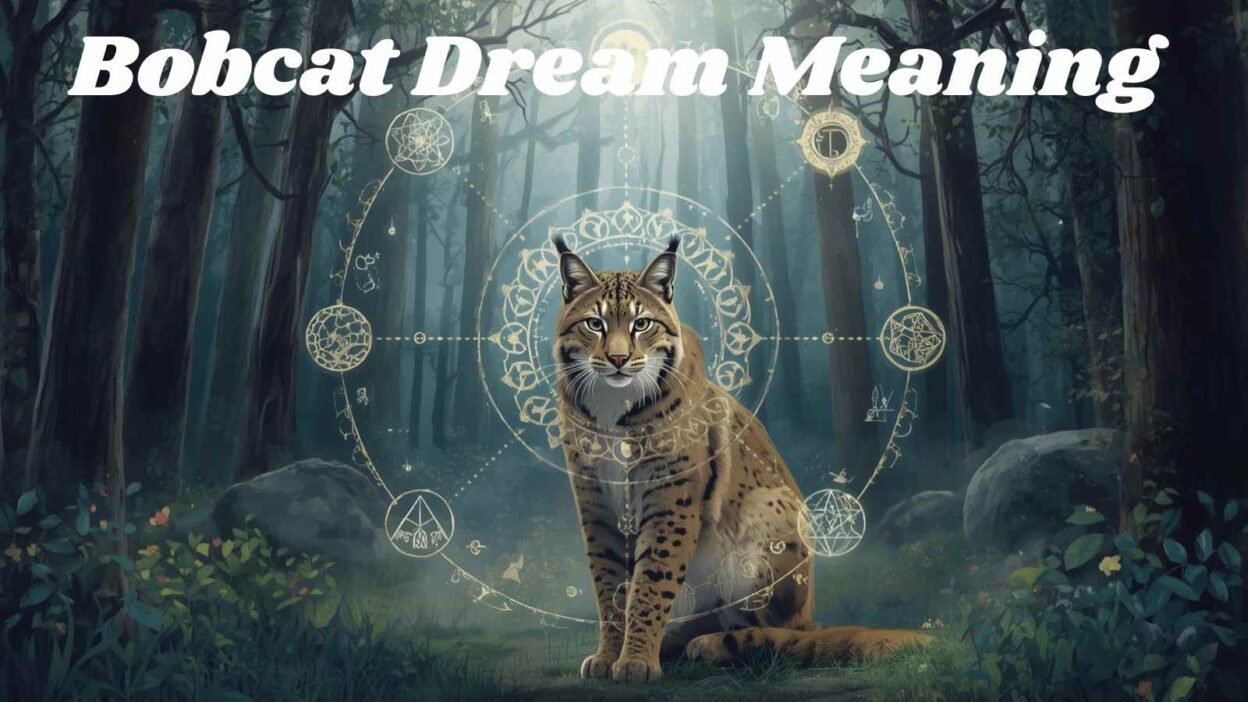
Dreams about a bobcat often leave a strong emotional imprint. You may wake up feeling alert, unsettled, or strangely aware of something hidden within yourself. These dreams are not random—they often reflect deeper layers of your inner world, instincts, and emotional struggles.
A bobcat appearing in your dream can symbolize a moment where your mind is trying to bring attention to unresolved emotions, personal boundaries, or suppressed instincts. It often connects to feelings you have not fully acknowledged in waking life.
At a deeper level, this dream can reflect inner conflict, where your conscious self is trying to maintain control while your subconscious pushes hidden emotions to the surface. Spiritually, it can also signal rising self-awareness and awakening.
Core Symbolism of a Bobcat in Dreams
The bobcat is a powerful symbol of independence, secrecy, intuition, and survival instinct. Unlike larger predators, it is silent, observant, and highly strategic.
Key meanings include:
- Hidden emotions that are not being expressed
- Silent fear or anxiety in your waking life
- A need for stronger personal boundaries
- Awakening of your instinctual intelligence
When the bobcat appears aggressive or chasing you, it often represents something within yourself that you are avoiding or not confronting directly.
The Shadow Self: Hidden Emotions and Inner Conflict
In psychology, especially Jungian theory, the shadow self represents the parts of your personality that are hidden, denied, or suppressed.
A bobcat in your dream can symbolize this shadow self rising to the surface.
This may include:
- Repressed anger or fear
- Unacknowledged desires
- Past trauma or emotional pain
- Ego vs higher self conflict
When the shadow appears as a predator like a bobcat, it often means these suppressed emotions are demanding attention.
Why Being Chased Intensifies the Meaning
If the bobcat is chasing you, the dream becomes more urgent.
Being chased represents:
- Avoidance of emotional truth
- Fear of confrontation
- Running from responsibility or change
The faster you run in the dream, the more it suggests that something in waking life is being emotionally resisted.
Freudian Interpretation
From a Freudian perspective, the bobcat may represent:
- Repressed instincts (especially aggression or desire)
- Unresolved childhood fears
- The id (primitive impulses) pushing against the ego
Freud would suggest that the dream reflects suppressed drives seeking expression in symbolic form.
Jungian Interpretation
Carl Jung would interpret the bobcat as part of the shadow archetype.
According to Jung:
- The bobcat is not an enemy, but a fragment of the self
- The chase represents avoidance of self-integration
- Facing the bobcat means achieving psychological wholeness
In this view, the dream is not a threat—but an invitation to grow.
Spiritual and Energy-Based Meaning
Spiritually, bobcat dreams are often linked to awakening intuition and energetic imbalance.
Possible interpretations include:
- Blocked root chakra (fear, survival anxiety)
- Imbalanced solar plexus chakra (control, confidence issues)
- Emotional energy buildup needing release
- A call to trust inner guidance
This dream may indicate that your energy system is trying to realign through awareness of suppressed feelings.
Common Bobcat Dream Scenarios
1. Running from a Bobcat
Represents avoidance of emotional truth or responsibility.
2. Never Getting Caught
Suggests ongoing avoidance but also resilience. The issue is present but not yet resolved.
3. Facing the Bobcat
Symbol of courage, awareness, and emotional healing.
4. Bobcat Disappearing
Represents fear dissolving or subconscious integration beginning.
Gradual Realization vs Sudden Fear
Some people experience dreams where fear builds slowly, while others feel sudden terror.
- Gradual realization: awareness of emotional issues growing over time
- Sudden fear: suppressed emotions surfacing quickly or unexpectedly
Both reflect how your subconscious processes stress and emotional overload.
Causes Behind Bobcat Dreams
These dreams often appear during emotionally intense periods such as:
- Stress and anxiety
- Major life transitions
- Relationship conflicts
- Work pressure or insecurity
- Past trauma resurfacing
The mind uses symbolic imagery like a bobcat to process emotional tension safely during sleep.
Scientific Explanation: What Happens in the Brain
From a neuroscience perspective, bobcat dreams occur during REM sleep, where the brain actively processes emotions and memories.
Key functions include:
- Emotional regulation
- Memory consolidation
- Threat simulation (preparing for danger)
The brain may generate a bobcat as a symbolic “threat” to help you rehearse responses to stress or fear.
Personal Growth Lessons from Bobcat Dreams
These dreams often carry important life lessons:
- Face what you are avoiding
- Strengthen emotional boundaries
- Trust your intuition
- Acknowledge suppressed emotions
- Develop inner confidence and awareness
The bobcat is not just fear—it is inner intelligence asking to be recognized.
Healing and Reflection Tips
To better understand and heal from these dreams:
- Keep a dream journal and record emotions
- Practice mindfulness meditation
- Explore shadow work (journaling suppressed feelings)
- Identify current stress triggers in life
- Use breathing exercises to calm anxiety
Reflection helps transform fear-based dreams into personal insight.
FAQs
1. Is dreaming of a bobcat bad?
Not necessarily. It usually reflects hidden emotions or instincts, not a literal danger.
2. What does it mean if a bobcat is chasing me?
It often means you are avoiding emotional issues or stress in waking life.
3. Does a bobcat represent fear or power?
Both. It can symbolize fear, but also personal strength and intuition.
4. What is the spiritual meaning of a bobcat dream?
It may indicate awakening intuition and energy imbalance in your spiritual system.
5. Why do I keep having this dream repeatedly?
Repetition suggests an unresolved emotional issue needing attention.
6. Can stress cause bobcat dreams?
Yes. Stress and anxiety are common triggers for symbolic predator dreams.
7. What should I do after this dream?
Reflect, journal, and identify emotional stressors in your life.
8. Does facing the bobcat change the meaning?
Yes. Facing it usually represents growth, courage, and emotional healing.
Conclusion
A bobcat dream is not just a random image it is a reflection of your inner emotional landscape. It often appears when something within you is asking to be seen, understood, or healed.
Whether viewed through psychology, spirituality, or science, the message remains consistent: your subconscious is guiding you toward self-awareness, balance, and emotional integration.