

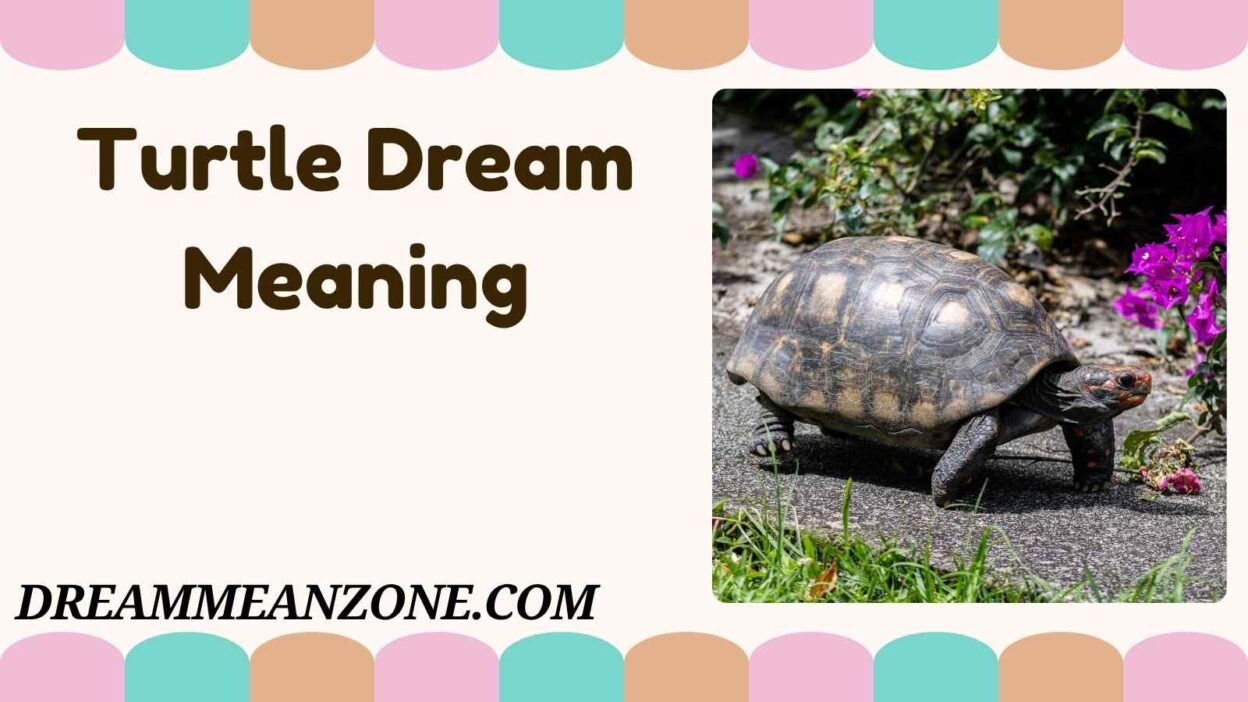
Dreaming of a turtle often leaves a quiet but powerful emotional impact. You may wake up wondering why such a slow, peaceful creature appeared in your subconscious.
Was it a message about patience, protection, or something deeper hidden within you?
In dream psychology and spirituality, a turtle dream meaning is rarely random. It often reflects your inner emotional state, hidden fears, and personal growth journey.
Beneath its calm appearance, the turtle can reveal a deeper conflict between your inner self and outer life pressures.
Sometimes, such dreams point toward inner emotional struggle, spiritual awakening, or suppressed feelings that are slowly rising to the surface.
Core Symbolism of Turtle Dreams
The turtle is a powerful symbol across cultures. In dreams, it usually represents:
- Protection and emotional safety
- Slow but steady personal growth
- Longevity and wisdom
- Withdrawal from emotional stress
- Inner healing and self-reflection
However, the meaning changes depending on your emotions in the dream. A peaceful turtle suggests balance, while an anxious or hiding turtle may reflect emotional withdrawal or avoidance.
The Shadow Self: Hidden Emotions and Inner Conflict
In Jungian psychology, dreams often reveal the “shadow self”—the part of your personality you hide or suppress.
A turtle can symbolize this hidden self because it carries its “home” inside itself, just like you carry unexpressed emotions, fears, and memories within your subconscious.
The shadow represents:
- Suppressed emotions
- Unacknowledged fears
- Rejected personality traits
- Ego vs higher self conflict
When a turtle appears in dreams, it may suggest that your shadow is asking to be noticed gently, not feared.
Freudian Interpretation: Repressed Feelings
From a Freudian perspective, turtle dreams may indicate:
- Repressed emotional desires
- Avoidance of conflict
- Need for psychological protection
Freud believed dreams were a doorway to unconscious wishes. A turtle’s shell can represent a defense mechanism, showing you are emotionally protecting yourself from stress or vulnerability.
Jungian View: Spiritual Growth and Integration
Carl Jung viewed animals in dreams as symbolic messengers of the psyche. In this view, the turtle reflects:
- Inner wisdom
- Slow psychological transformation
- Integration of the unconscious mind
Instead of rushing, the turtle encourages you to slow down and understand your inner world. It is often a sign of spiritual maturity developing quietly beneath the surface.
Spiritual Meaning: Energy, Chakras, and Awakening
Spiritually, turtle dreams are deeply connected to grounding energy and emotional healing.
They often relate to:
- Root Chakra imbalance (fear, insecurity, survival stress)
- Heart Chakra healing (emotional protection vs openness)
- Spiritual grounding and patience
- Energy blockage from emotional suppression
A turtle may appear when you are undergoing a spiritual awakening, but still resisting emotional vulnerability.
Common Turtle Dream Scenarios and Meanings
1. Slow Movement or Walking Turtle
Represents patience, steady progress, and life balance.
2. Turtle Hiding in Shell
Indicates emotional withdrawal or fear of exposure.
3. Holding or Touching a Turtle
Suggests healing, comfort, and self-acceptance.
4. Turtle in Water
Symbolizes emotional flow and subconscious healing.
5. Injured or Struggling Turtle
Reflects emotional pain, stress, or vulnerability.
Gradual Realization vs Sudden Emotional Fear
Turtle dreams usually develop in two emotional patterns:
Gradual Realization
You slowly understand what the dream means. This reflects healing, awareness, and emotional maturity.
Sudden Emotional Shock
You feel fear or confusion during the dream. This often points to repressed trauma or unresolved emotional stress rising suddenly.
Psychological Causes of Turtle Dreams
Turtle dreams often appear due to real-life emotional conditions such as:
- Stress and anxiety
- Life transitions or uncertainty
- Emotional trauma or past experiences
- Fear of change or confrontation
- Need for safety and stability
Your subconscious uses the turtle as a symbol of emotional protection and self-defense.
Scientific Explanation: What Happens in the Brain?
From a scientific view, dreams occur during the REM (Rapid Eye Movement) sleep stage, where the brain processes emotions and memories.
Turtle dreams may happen because:
- The brain is processing emotional stress
- The mind simulates threat or protection scenarios
- Memory consolidation blends with symbolic imagery
So, the turtle becomes a safe symbolic representation of emotional processing and inner stability.
Healing and Reflection Tips
If you frequently see turtle dreams, consider these practices:
- Journaling: Write your dreams and emotions daily
- Mindfulness meditation: Calm the mind and observe thoughts
- Shadow work: Explore suppressed emotions gently
- Slow down in life: Reduce emotional overload
- Self-reflection: Ask, “What am I avoiding emotionally?”
Healing begins when you stop resisting what the subconscious is trying to show you.
FAQs
1. Is dreaming of a turtle good or bad?
It is usually positive, symbolizing protection, patience, and emotional healing.
2. What does a turtle in water mean in a dream?
It represents emotional flow, healing, and subconscious balance.
3. Why do I dream of a turtle hiding in its shell?
It suggests emotional withdrawal or fear of vulnerability.
4. What is the spiritual meaning of a turtle dream?
It relates to grounding energy, patience, and spiritual awakening.
5. Does a turtle dream mean slow progress in life?
Yes, it can reflect slow but steady personal or emotional development.
6. Can stress cause turtle dreams?
Yes, stress and anxiety often trigger protective symbolic dreams like turtles.
7. What does holding a turtle in a dream mean?
It symbolizes healing, emotional comfort, and self-acceptance.
8. Is a turtle dream connected to the subconscious mind?
Yes, it often reflects deep unconscious emotions and inner stability.
Conclusion
A turtle dream meaning is not just about a slow animal it is a reflection of your inner emotional world. It speaks of protection, healing, patience, and hidden emotional layers waiting to be understood.
If viewed through psychology, spirituality, or science, the turtle encourages one powerful message: slow down, protect your energy, and listen to your inner self.