

Have you ever woken up from a dream that felt too real your heart racing, emotions lingering, and images still vivid in your mind? These experiences aren’t random.
Vivid dreams often carry powerful messages from your subconscious, reflecting your deepest emotions, inner conflicts, and even your spiritual awareness.
When dreams feel intense and lifelike, they are usually your mind’s way of bringing attention to something unresolved within you. Whether it’s fear, desire, or confusion, your inner world is trying to communicate in a language beyond words.
What Are Vivid Dreams?
Vivid dreams are dreams that feel exceptionally clear, detailed, and emotionally intense. You may remember them easily, and they often leave a strong impression even after waking up.
These dreams are closely connected to:
- Emotional processing
- Inner conflict
- Subconscious awareness
- Spiritual sensitivity
They act like a mirror, reflecting what you might be ignoring in your waking life.
The Shadow Symbolism in Vivid Dreams
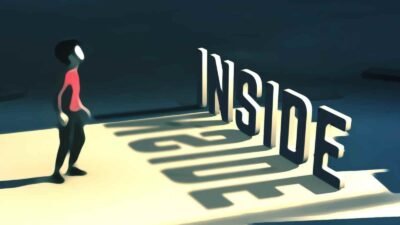
One of the most powerful elements in vivid dreams is the shadow. This doesn’t always appear as a literal dark figure—it can be a person, situation, or unknown force.
What the Shadow Represents
- Hidden self: Parts of you that you don’t fully accept
- Suppressed emotions: Anger, fear, guilt, or shame
- Ego vs higher self: The struggle between who you are and who you could become
The shadow isn’t your enemy. It’s a part of you asking to be understood.
Why Being Chased Feels So Intense
Dreams where you’re being chased are among the most vivid and emotional.
Meaning of Being Chased
- You’re avoiding something in real life
- There’s a fear or truth you’re not ready to face
- Your subconscious is urging you to confront unresolved issues
The intensity increases because your mind treats it like a real threat. The longer you run, the stronger the emotion becomes.
Freudian vs Jungian Interpretations
Freudian View (Sigmund Freud)
Freud believed dreams are linked to repressed desires.
- Vivid dreams reveal hidden urges
- The chase may symbolize unfulfilled wishes or internal tension
- The shadow could represent forbidden thoughts
Jungian View (Carl Jung)
Jung saw dreams as a path to self-discovery.
- The shadow is a core part of your personality
- Being chased means you’re avoiding self-integration
- Facing the shadow leads to personal growth and wholeness
Spiritual and Energy-Based Meaning
From a spiritual perspective, vivid dreams are often signs of awakening.
Key Spiritual Insights
- Emotional blocks are surfacing for healing
- Imbalances in chakras (especially root and heart) may be involved
- Your consciousness is expanding, making you more aware of inner truths
These dreams are not random—they’re part of your inner transformation journey.
Common Vivid Dream Scenarios and Their Meanings
1. Running but Not Escaping
You feel stuck in life. Something is unresolved, and avoidance isn’t helping.
2. Never Getting Caught
You’re aware of the issue but still not ready to face it fully.
3. Facing the Shadow
A powerful sign of growth. You’re ready to confront your fears.
4. The Shadow Disappears
Indicates healing or acceptance. The fear is losing its control over you.
Gradual Realization vs Sudden Fear
Not all vivid dreams feel the same.
- Gradual realization: You slowly understand what’s happening. This suggests growing awareness and emotional maturity.
- Sudden fear or panic: Indicates suppressed emotions rising quickly, often linked to stress or trauma
Both types are meaningful—they just reflect different stages of your inner journey.
Why Do Vivid Dreams Happen? (Scientific View)
There’s also a biological explanation.
REM Sleep and the Brain
- Vivid dreams occur during REM (Rapid Eye Movement) sleep
- The brain is highly active, especially areas linked to emotion and memory
- The logical part of the brain is less active, which is why dreams feel strange but real
Emotional Processing
Your brain uses dreams to:
- Process stress and anxiety
- Rehearse threats (threat simulation theory)
- Organize memories and emotions
In simple terms, your mind is “cleaning up” emotional clutter.
Common Causes of Vivid Dreams
- Stress and anxiety
- Trauma or past experiences
- Major life changes
- Lack of sleep or irregular routines
- Deep emotional conflicts
These factors make your subconscious more active and expressive.
Personal Growth Lessons from Vivid Dreams
Vivid dreams are not just experiences—they’re opportunities.
They teach you to:
- Face your fears instead of avoiding them
- Understand your hidden emotions
- Grow into a more complete version of yourself
When you stop running from the shadow, you begin to transform.
Healing and Reflection Tips
1. Journaling
Write down your dreams immediately after waking up. Patterns will start to appear.
2. Mindfulness
Practice staying present. It reduces anxiety and helps you process emotions.
3. Shadow Work
Ask yourself:
- What am I avoiding?
- What emotion am I suppressing?
4. Emotional Release
Talk, reflect, or express your feelings creatively.
5. Better Sleep Habits
Maintain a regular sleep routine to stabilize your dreaming patterns.
FAQs
1. Are vivid dreams normal?
Yes, especially during stress or emotional changes.
2. Why do I remember vivid dreams so clearly?
Because they are emotionally intense and occur during active brain states.
3. Is being chased in dreams a bad sign?
Not necessarily—it’s a signal that something needs attention.
4. Can vivid dreams predict the future?
No scientific evidence supports this, but they can reveal inner awareness.
5. How can I stop vivid dreams?
Reduce stress, improve sleep, and process unresolved emotions.
6. Do vivid dreams mean spiritual awakening?
Sometimes—they can reflect increased self-awareness and emotional depth.
7. Why do vivid dreams feel real?
Because your brain processes them similarly to real-life experiences.
8. Should I be worried about frequent vivid dreams?
Only if they disturb your sleep or cause distress regularly.
Conclusion
Vivid dreams are not random they are deeply meaningful experiences that connect your mind, emotions, and spirit.
Whether you’re running from something or finally turning to face it, these dreams guide you toward self-awareness and healing.
Instead of fearing them, try to understand them. Your subconscious is not working against you—it’s helping you grow.